
-CURIOSITY HAS NO BORDERS-
europe / A Travel Journal
iceland
“Fire. Ice. Wind. Wonder.“
September 14-20, 2024
At a Glance
CAPITAL
Reykjavík
LANGUAGE
Icelandic
CURRENCY
Icelandic Króna
BEST TIME
June–September for mild weather and long days; September–March for the Northern Lights.
TIME ZONE
(GMT/UTC) year-round
DRIVING SIDE
Right
DAYS STAYED
7 Days
PLACES VISITED
Reykjavik, Jokulsarlon, Various points on the Southern part of the Ring Road

Navigate This Journey
Jump to any part of this trip
Our Journey
Somewhere Between Fire, Ice & the Northern Lights
Our Iceland journey began in Reykjavík, a colorful, compact city that was easy to wander and a great place to settle in before heading out into the much wilder landscapes Iceland is known for. We explored the city, walked along the waterfront, wandered through the streets, found a few favorite places to eat, and got our first introduction to Icelandic prices—which were definitely an experience of their own.
Reykjavík also gave me a souvenir that was a little more permanent than the usual magnet or postcard. While we were there, I decided to get a mountain-range tattoo from a traveling Russian tattoo artist who happened to be working in Reykjavík at the time. There was something about getting a mountain tattoo while traveling through Iceland that just felt right, especially with the mountains, glaciers, and dramatic landscapes we were about to see.


Where Curiosity Took Us

Reykjavík
Reykjavík is Iceland’s colorful, creative capital and the perfect starting point for exploring the country. Compact and walkable, it blends cozy cafés, striking modern architecture, a lively waterfront, and easy access to Iceland’s dramatic natural landscapes.

Pingvellir National Park
At Þingvellir, you can walk through a rift valley where the North American and Eurasian tectonic plates are slowly pulling apart while also visiting one of Iceland’s most important historic sites. The nearby geothermal areas are filled with steaming vents, bubbling pools, and powerful geysers like Strokkur. Farther south, Cape Dyrhólaey offers sweeping views of the Atlantic, rugged cliffs, black-sand beaches, and its impressive natural sea arch.

Blue Lagoon
The Blue Lagoon is one of Iceland’s most famous geothermal experiences, known for its warm, mineral-rich blue water set against a dramatic black lava field. It’s a relaxing place to soak, unwind, and experience Iceland’s geothermal landscape in a completely different way.

Diamond Beach/ Jokulsarlon
Diamond Beach and Jökulsárlón Glacier Lagoon create one of Iceland’s most surreal landscapes. At Jökulsárlón, enormous icebergs break away from the nearby glacier and drift slowly through the lagoon before heading toward the Atlantic. Just across the road, pieces of that ice wash ashore on Diamond Beach, where crystal-clear and blue ice glistens against the black volcanic sand.

Strokkur Geysir
Strokkur is one of Iceland’s most famous and active geysers, erupting every few minutes and shooting a dramatic column of steaming water high into the air. Located in the Haukadalur geothermal area, it is surrounded by bubbling mud pools, steaming vents, and mineral-rich ground that shows just how active Iceland’s landscape really is.

Cape of Dyrholaey
Cape Dyrhólaey is a dramatic headland on Iceland’s South Coast, known for its towering cliffs, massive natural sea arch, and sweeping views over the Atlantic. From the top, you can look out across endless stretches of black-sand beach, rugged coastline, and distant glaciers. The area is also a popular nesting spot for seabirds, including puffins in season, making it one of the South Coast’s most scenic viewpoints.

Seljalandsfoss waterfall
Seljalandsfoss is one of Iceland’s most recognizable waterfalls, dropping nearly 200 feet from a former sea cliff into the landscape below. What makes it especially memorable is the trail that curves behind the falls, giving visitors the chance to experience the rushing water from a completely different perspective. Surrounded by green cliffs and wide-open scenery, it is one of the South Coast’s most dramatic and photogenic stops.

Kerid Crater
Kerið Crater is one of Iceland’s most visually striking volcanic landscapes, with steep red and black slopes surrounding a vivid blue-green crater lake. Formed thousands of years ago after a volcanic eruption, the crater is especially unique because of its colorful rock and nearly perfect oval shape. Visitors can walk along the rim for panoramic views or follow the path down to the water’s edge for a closer look at the lake below.

Bridge between Continents
The Bridge Between Continents is a unique stop on Iceland’s Reykjanes Peninsula where you can walk across a small rift between the North American and Eurasian tectonic plates. The surrounding lava fields make the area feel especially rugged, and the bridge offers a simple but memorable way to see how Iceland sits directly on the Mid-Atlantic Ridge, where the two plates are slowly pulling apart.

Hrosshagi-Buubble Hotel
Hrosshagi Buubble Hotel offers one of Iceland’s most unusual overnight experiences: sleeping in a heated, transparent bubble tucked into a private forest near the Golden Circle. The clear dome gives you a wide-open view of the sky from bed, making it especially magical on a clear night when the stars—or even the Northern Lights—appear overhead. Each bubble is secluded among the trees, with bathrooms and showers located in a nearby service house.
Funny Moments
Death By Grape
Whenever we travel, one of the first things we do is find a local grocery store. It has become one of our standard travel routines. We usually stay in an Airbnb, so we stock up on breakfast food, snacks, drinks, and anything else that keeps us from eating every single meal out. It saves money, gives us something quick to grab before a long day, and means we are not constantly trying to find a restaurant every time one of us gets hungry.
In Iceland, this strategy felt especially important because food was expensive. Very expensive. So when we stopped at the grocery store, I picked up a bunch of things for the apartment and for our days on the road.
One of those things was a bag of grapes.
The Day Iceland Tried to Blow Me Away
One of the stops we really wanted to make while driving the southern portion of Iceland’s Ring Road was Cape Dyrhólaey, known for its towering cliffs, massive natural sea arch, and incredible views over the Atlantic. From the top, you can supposedly look out across endless stretches of black-sand beach, rugged coastline, and distant glaciers.
I say supposedly because Iceland had other plans for our visit.
Sleeping in a Snow Globe
While researching places to stay in Iceland, we came across Hrosshagi Buubble Hotel, and it immediately sounded like one of those experiences we couldn’t pass up.
The concept was pretty incredible: instead of staying in a normal hotel room, you sleep inside a heated, transparent bubble tucked into a private forest near the Golden Circle. The entire dome is clear, giving you a wide-open view of the sky while lying in bed. On a clear night, you can look up at the stars and, if Iceland decides to cooperate, possibly even watch the Northern Lights dance above you without ever leaving the bed.
Perfect. What better place could there possibly be to see the Northern Lights?
Historical Feature
The Yule Cat: New Socks or Get Eaten
JÓLAKÖTTURINN — ICELAND’S CHRISTMAS CAT
Christmas traditions usually involve decorated trees, presents, cookies, and maybe a visit from Santa. In Iceland, apparently someone decided Christmas also needed something a little more unusual:
A giant cat that might eat you if you weren’t wearing new clothes. Meet Jólakötturinn—the Icelandic Yule Cat.
BEHIND THE LEGEND
As strange as the story sounds, there was a very practical reason behind it. For generations, sheep and wool were essential to life in Iceland. In a country with long, cold winters and limited resources, wool wasn’t simply something used to make a cozy sweater. Families depended on it for warm clothing, blankets, and other necessities that helped them survive the winter.
After the autumn sheep roundup, the real work began. Wool had to be cleaned, processed, spun, and eventually turned into fabric and clothing. It could take weeks, and everyone in the household was expected to contribute.
Those who finished their share of the work could be rewarded with a new garment before Christmas. Those who didn’t might receive nothing. And according to the legend, having nothing new to wear meant you had attracted the attention of one very hungry cat.
FACT & CONTEXT
In old Iceland, clothing was not just a gift — it was practical winter survival. The Yule Cat legend reflects how important sheep, wool, and shared work were in daily life.

CHRISTMAS IN REYKJAVÍK
The Yule Cat still appears in modern Icelandic holiday culture. During the Christmas season, Reykjavík often displays a large illuminated Yule Cat downtown, keeping the legend alive in a more playful way.
Local Food
Food in Iceland was definitely an experience. There were plenty of things we enjoyed, but there were also more than a few menu items that made me lose my appetite almost immediately. Puffin, minke whale, and horse were all things I saw listed and knew, without hesitation, that I was not ordering. And then there was hákarl—fermented Greenland shark.
Must Try
- Skyr
- Rúgbrauð
- Plokkfiskur
- Arctic Char
- Icelandic Cod
- Kleinur
- Pylsur
- Kjötsúpa
- Hákarl
- Icelandic Ice Cream


Through My Lens
The Photo That Tells the Story
A Sky Bigger Than Us
There was something humbling about standing beneath a sky filled with stars as the Northern Lights began to move above us—first softly, then brighter and more dramatic. Green ribbons twisted and curled through the darkness, stretching across the stars until it seemed as though the entire sky was in motion.
That is what I love most about this photograph. The aurora doesn’t look like something simply hanging in the sky. It looks alive—bending, swirling, and constantly changing before you can fully take it in. No photograph can completely capture the movement, the silence, or the feeling of looking up and realizing just how vast the world really is.
For me, this image is less about the Northern Lights themselves and more about the moment they created. Everything else suddenly felt temporarily unimportant. There was no rushing, no thinking about what came next, and no need to be anywhere else.
Just the sky. The stars. The light.

Reykjavik


Diamond Beach/Jokulsarlon/Seljalandsfoss waterfall


Blue Lagoon & Lava Fields


Pingvellir National Park/Geysers/Hot Springs/Cape of Dyrholaey


Hrosshagi- Buubble Life


Kerid Crater & Bridge between Continents


On the Road


Plan Your Trip
The little things that make traveling a whole lot easier.
🪢 Local Customs & Etiquette

💬 Useful Local Phrases

💰 Money, Payments & Tipping

📅 Climate & Best Time to Visit

✈️ Getting There & Getting Around

🛏️ Where to Stay

🛡️ Health, Safety & Hydration

🔌 Staying Plugged In

🛂 Visa & Entry Requirements

Packing List
Pack smart. Travel lighter. Leave room for the unexpected.
🎒
Essentials
VIEW LIST ↓
- Waterproof, windproof jacket
- Warm layers or fleece
- Waterproof walking/hiking shoes
- Comfortable layered clothing
- Warm socks
- Hat + gloves
- Reusable water bottle
- Phone + charger
- Type C/F plug adapter
- Passport + travel documents
🧴
Nice to Have
VIEW LIST ↓
- Waterproof pants
- Swimsuit for hot springs
- Sleep mask
- Portable power bank
- Lip balm + moisturizer
- Small daypack
- Camera + extra batteries
- Tripod for Northern Lights
- Dry bag or waterproof pouch
- Snacks for road trips
🧥
Seasonal Additions
VIEW LIST ↓
- Summer: light layers, waterproof shell, sun hat, sunglasses, sleep mask for long daylight hours
- Spring & Fall: warmer fleece, waterproof shoes, gloves, beanie, extra layers for rapidly changing weather
- Winter: insulated waterproof coat, thermal base layers, warm gloves, scarf, wool socks, traction cleats, insulated waterproof boots
- Northern Lights Season: extra-warm layers, hand warmers, tripod, spare camera batteries
- Hiking & Waterfall Days: waterproof hiking boots, rain pants, trekking poles, small daypack, extra socks, water and snacks
- Geothermal Pools: swimsuit, flip-flops, quick-dry towel, waterproof bag for wet clothing
Travel Lessons
❝
When an Icelandic ranger tells you which direction to park your car, don’t ask questions. Just turn the car around—and maybe stay in it.”
❝
Chew the grapes. Iceland already has enough ways to kill you.”
❝
True crime documentaries and transparent bubbles are not a great combination.”
❝
Iceland: where even parking direction is a safety decision.”
❝
A mountain tattoo is a perfectly reasonable Iceland souvenir.”
Our Curiosity Rating
Our completely subjective take on Thailand — based on what we experienced, loved, photographed, ate, survived, and would happily do again.

Culture
★★★★

Wildlife
★★

Photography
★★★★★

Adventure
★★★

Food
★★

Would we go back?
★★★★★
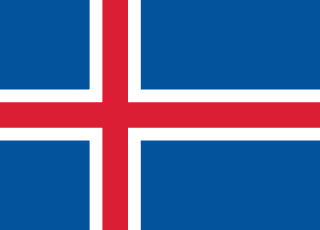
Our Passport Stamps
Every stamp tells a story.












Written by
Ali Kubeck
Curiosity Has No Borders is more than a travel blog—it’s our journey of exploring the world with curiosity, connection, and an open mind. Together, Sarah and I seek authentic experiences, embrace the unexpected, and find meaning in the moments that can’t be planned. We hope our adventures inspire others to step beyond their comfort zones and discover how travel can change the way we see the world.
Enjoyed This? Share It.
If this post inspired you or helped you plan your trip, share it with someone who needs a nudge.
Leave a Comment
We’d love to hear from you — whether you’ve been to this destination, have questions about the trip, or just want to share a thought. Comments are open below.
Leave a Reply